
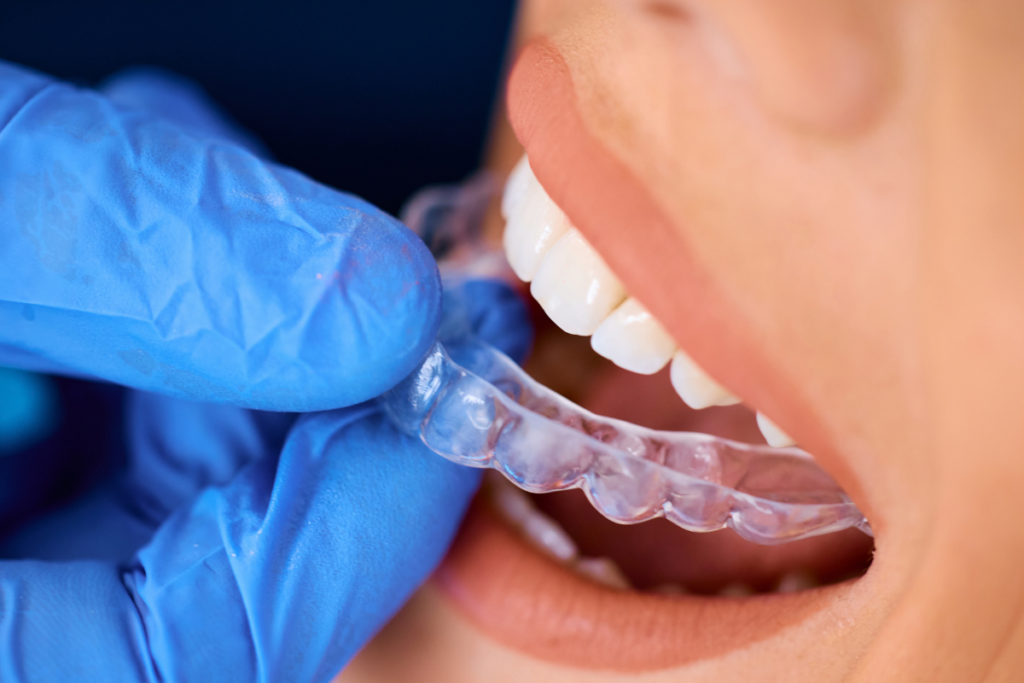
If you have been thinking about straightening your teeth, you have probably heard about Invisalign. It is one of the most popular clear aligner treatments available today, and for good reason. No metal brackets, no wires, and no major changes to your daily routine. But how does the process actually work from start to finish?
This guide walks you through every step so you know exactly what to expect before you even sit in the chair.
What Makes Clear Aligner Treatment Different
Traditional braces use metal brackets and wires to move teeth over time. Clear aligners do the same job, but with a series of custom-made plastic trays. Each tray moves your teeth a small amount, and you switch to a new tray every one to two weeks.
The trays are nearly invisible, removable, and much more comfortable than traditional braces for most people. If you are considering Invisalign in Delray Beach, the warm, active lifestyle here makes removable aligners a practical choice. You can take them out for meals, sports, or beach days without any hassle.
Step 1: The Initial Consultation
Everything starts with a conversation. At your first visit, the orthodontist checks your teeth, your bite, and your overall oral health. This helps determine if Invisalign is the right fit for you.
Not everyone is a candidate. Complex bite issues or severe crowding may need a different approach. But for most adults and teens, clear aligners work well.
During this visit, you can ask questions, talk about your goals, and get a rough idea of how long treatment might take.
Step 2: Digital Scans and Impressions
Once you decide to move forward, the next step is capturing a detailed picture of your teeth. Most modern orthodontic offices use a small handheld scanner that takes hundreds of photos of your mouth in minutes.
These photos are combined into a 3D digital model of your teeth. No goopy molds. No gagging. Just a quick, comfortable scan.
This digital model is sent directly to the Invisalign lab, where your custom trays are made.
Step 3: Your Custom Treatment Plan
Using your scan, the orthodontist creates a digital treatment plan. You can actually see a simulation of how your teeth will move throughout treatment, step by step.
This is one of the most useful parts of the process. You get a preview of what your smile could look like at the end of treatment before you commit to anything.
The plan shows the exact movements planned for each tooth and gives you a realistic timeline for your results.
Step 4: Receiving Your Aligners
Once your trays are ready (usually within a few weeks), you come in to pick them up. The orthodontist checks the fit, makes sure everything is comfortable, and gives you clear instructions on how to wear and care for them.
You will typically receive several sets of trays at once. Each set is worn for about one to two weeks before you move to the next one.
The most important rule: wear your aligners 20 to 22 hours a day. The more consistent you are, the better your results.
Step 5: Attachments (If Needed)
Some treatment plans include small tooth-colored dots called attachments. These are bonded to certain teeth to help the aligners grip better and move teeth more precisely.
Attachments are barely noticeable. They blend in with your natural tooth color and come off when treatment is done.
Not everyone needs them, but if your plan includes them, they are placed at the same appointment when you receive your first set of trays.
Step 6: Regular Check-In Visits
Unlike traditional braces, Invisalign does not require monthly tightening appointments. Check-ins are typically scheduled every six to eight weeks.
During these visits, your orthodontist checks your progress, makes sure your teeth are tracking correctly, and gives you your next sets of trays.
These appointments are quick, usually 15 to 30 minutes. They are also a good time to raise any concerns or ask questions about your progress.
Step 7: Finishing Up and Refinements
As you near the end of your aligner series, your orthodontist will evaluate where your teeth are. In some cases, a few additional trays (called refinements) are made to fine-tune the final result.
Refinements are common and completely normal. They help make sure your bite and alignment are exactly right before treatment ends.
If you have been keeping up with Invisalign in Delray Beach and following your wear schedule, this final phase usually goes smoothly and quickly.
Step 8: Retainers and Long-Term Results
Once your treatment is complete, the work is not quite done. Your teeth need time to settle into their new positions, and without a retainer, they can slowly shift back.
Your orthodontist will fit you with a retainer, usually a clear one that looks a lot like your last aligner. Most people wear it nightly long-term to keep their smile in place.
This is one of the most important steps in the entire process. Skipping the retainer is the most common reason people lose their results over time.
How Long Does the Whole Process Take?
Treatment time varies depending on your case. Mild to moderate corrections often take 6 to 12 months. More complex cases may take 18 months or longer.
Your orthodontist will give you a clear timeline at the start of treatment based on your specific plan.
Living With Aligners Day to Day
A few practical things to keep in mind during treatment:
- Remove aligners before eating or drinking anything other than plain water
- Brush and floss before putting trays back in
- Rinse your aligners when you take them out
- Keep your case with you so trays are not lost or damaged
Most people adjust within the first week. Mild pressure or slight speech changes at the start of a new tray are normal and fade quickly.
Frequently Asked Questions
1. Does Invisalign hurt?
Most people feel mild pressure when switching to a new tray. It is not painful for most, just a slight tightness that fades within a day or two.
2. Can I eat whatever I want?
Yes. Since aligners are removable, there are no food restrictions. Just take them out before meals.
3. How do I clean my aligners?
Rinse them with lukewarm water and brush gently with a soft toothbrush. Avoid hot water, as it can warp the plastic.
4. Will aligners affect my speech?
Some people notice a slight lisp at first. This usually goes away within a few days as you adjust.
5. What happens if I lose a tray?
Contact your orthodontist right away. They may have you wear the previous tray or move to the next one depending on where you are in your treatment.
6. Is treatment suitable for teens?
Yes. There is a version designed specifically for younger patients that includes compliance indicators and extra replacement trays.
7. What if my teeth shift after treatment?
This is what retainers are for. If you have already noticed shifting, contact your orthodontist. It may be possible to get back on track with minor touch-ups.
8. How do I know if I am a good candidate?
The best way is through a consultation. An orthodontist can review your teeth and bite to give you an honest answer based on your actual situation.
Conclusion
The Invisalign process is straightforward once you understand each step. From your first scan to wearing your retainer at night, every phase has a clear purpose and moves you closer to a smile you feel confident about. If you live in or around the area and have been thinking about starting treatment, Invisalign Delray Beach patients at Delray Orthodontics consistently find the process to be manageable, comfortable, and worth it.
The best way to know if it is right for you is to get a professional opinion. Schedule a consultation with Delray Orthodontics to review your teeth, talk through your goals, and get a clear picture of what treatment would look like for you.
Ready to take the first step? Contact our Delray Orthodontics office today and find out how simple the path to a straighter smile can be.