
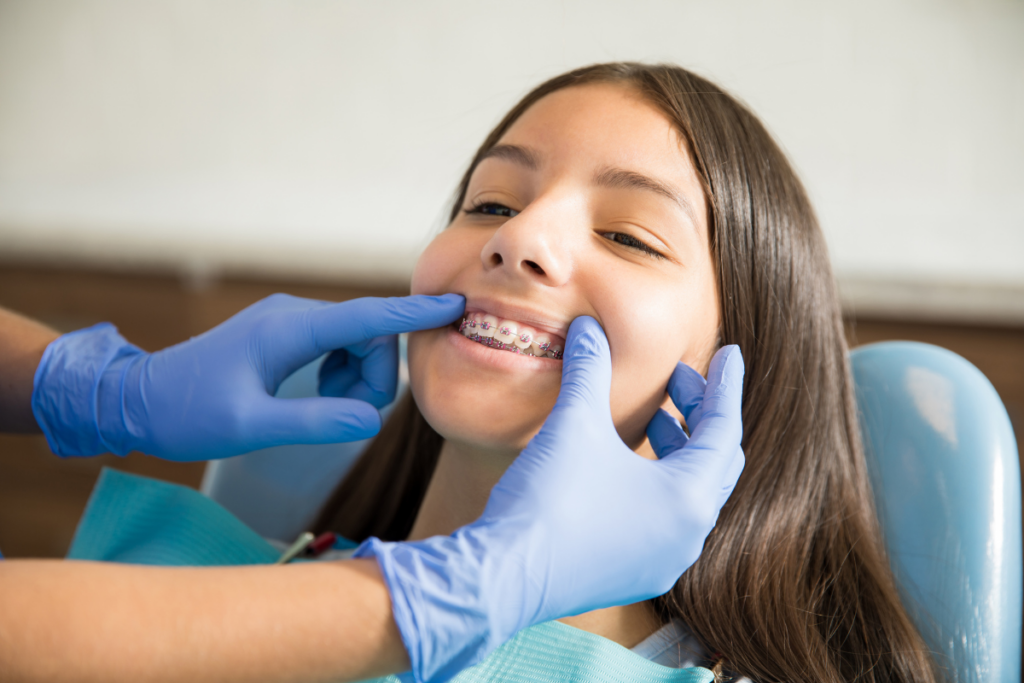
Getting braces is a big step toward a healthier, straighter smile. But keeping your teeth clean during orthodontic treatment takes a little more effort than usual. Brackets, wires, and bands create extra spots where food and plaque can hide. If you skip proper hygiene, cavities can form, and that can slow down your entire treatment plan.
Whether you’re already in treatment or searching for an orthodontist near me to get started, this guide walks you through everything you need to know to protect your teeth while wearing braces.
Why Oral Hygiene Matters More With Braces
Braces change the surface of your teeth. Every bracket and wire adds a new corner where food gets stuck. Plaque builds up faster, and if it stays on the tooth surface too long, it eats through enamel and causes white spots or full cavities.
The good news is that cavities are completely preventable. You just need the right tools and the right habits.
Daily Cleaning Habits That Actually Work
Brush after every meal
With braces, brushing twice a day is not enough. You need to brush after every meal and snack. Use a soft-bristled toothbrush and hold it at a 45-degree angle to clean both above and below each bracket. Spend at least two minutes each time.
An electric toothbrush can make this easier. It removes more plaque with less effort and is especially helpful for kids or teens who rush through brushing.
Floss every single day
Flossing with braces feels tricky at first. A floss threader or orthodontic floss pick helps you get the thread under the wire and between each tooth. Water flossers are also a great option. They shoot a stream of water between teeth and around brackets to flush out debris.
Skipping floss even for one or two days lets plaque sit between teeth where your brush can’t reach. That leads to gum inflammation and cavities in spots that are hard to treat.
Use fluoride toothpaste and mouthwash
Fluoride strengthens enamel and helps fight the acid that causes cavities. Use a fluoride toothpaste every time you brush. Add a fluoride mouthwash to your routine at night, after brushing. It reaches tight spaces around brackets and gives your enamel extra protection while you sleep.
Foods to Avoid During Orthodontic Treatment
What you eat matters just as much as how you clean your teeth. Some foods are more likely to cause damage or get stuck in your braces.
Avoid these foods:
- Hard foods like ice, nuts, and hard candy (they can break brackets)
- Sticky foods like caramel, gummy bears, and taffy (they cling to wires and are hard to remove)
- Sugary drinks like soda, sports drinks, and juice (they feed bacteria that cause cavities)
- Popcorn (kernels get trapped under wires and are difficult to remove)
Eat more of these:
- Soft fruits like bananas, berries, and melon
- Cooked vegetables
- Dairy products like yogurt and cheese (they contain calcium which strengthens teeth)
- Plenty of water, especially fluoridated tap water
Delray Beach, Florida has access to fluoridated water through Palm Beach County’s public water system, which is great news for braces wearers. Drinking tap water regularly supports enamel health throughout your treatment.
Regular Orthodontic Check-Ups Keep You on Track
Seeing your orthodontist every four to six weeks is a normal part of treatment. But these visits are not just for tightening wires. Your provider also checks for early signs of tooth decay, gum problems, or enamel breakdown.
If you notice white spots forming on your teeth, tell your provider right away. White spots are early signs of enamel damage. They are easier to treat when caught early.
If you’ve been looking for an orthodontist near me who also focuses on preventive care during treatment, that kind of attention to detail matters a lot in the long run.
Delray Beach and the Surrounding Area: Local Options and Why It Matters
Delray Beach is a growing community with a large and active population. Families in areas like Boynton Beach, Boca Raton, Lake Worth Beach, and Greenacres often look for trusted orthodontic care close to home.
There are many dental clinics in nearby areas, and each one offers its own approach to orthodontic treatment. But choosing a clinic that combines clinical skill with personalized care makes a real difference, especially when you’re managing braces over 12 to 24 months.
Delray Orthodontics is located right here in Delray Beach and serves patients from across Palm Beach County. The clinic focuses on giving each patient a clear plan for both alignment and hygiene so that the result at the end of treatment is a healthy smile, not just a straight one.
If you’ve been searching for braces in Delray Beach for yourself or your child, choosing a local provider means shorter commutes, easier appointment scheduling, and a care team that understands the local community.
What to Do If You Think You Have a Cavity
Cavities during braces treatment can complicate things. If your orthodontist spots decay, your general dentist may need to remove a bracket temporarily to treat the area. That adds time to your overall plan.
Signs of a possible cavity include:
- Tooth sensitivity to cold, heat, or sweets
- Visible dark spots or holes on the tooth surface
- Pain when biting
If you notice any of these, contact your dental provider right away. Do not wait for your next scheduled appointment.
Simple Hygiene Products Worth Investing In
You don’t need expensive products to keep your teeth clean during treatment. A few affordable tools make a big difference.
- Orthodontic toothbrush (has a V-shaped bristle design to clean around brackets)
- Floss threaders or orthodontic picks
- Water flosser (Waterpik is a popular and widely available option)
- Fluoride mouthwash
- Travel-sized toothbrush and toothpaste for cleaning after meals at school or work
Keeping a small hygiene kit in your bag makes it easier to stick to your routine no matter where you are.
Conclusion
Taking care of your teeth during braces treatment is not complicated. It just requires consistency. Brush after meals, floss every day, avoid sticky and sugary foods, and show up to every check-up. These habits protect your enamel and make sure that when your braces come off, your smile is both straight and healthy.
Delray Orthodontics is here to help patients in Delray Beach and surrounding Palm Beach County communities get the results they want without sacrificing dental health along the way. If you’re looking for braces in Delray Beach or want guidance from an experienced provider, we’re ready to help.
Schedule a consultation with Delray Orthodontics today and take the first step toward a smile you’ll feel good about.
Frequently Asked Questions
1. How often should I brush my teeth while wearing braces?
Brush after every meal and snack, at least three to four times a day. Use a soft toothbrush and spend at least two minutes cleaning around each bracket.
2. Can I still get cavities with braces on?
Yes. Braces create more surfaces where plaque can build up. Proper brushing, flossing, and fluoride use reduce that risk significantly.
3. Is a water flosser good enough, or do I still need regular floss?
A water flosser is a great addition but works best when combined with regular flossing. Together, they remove more plaque than either one alone.
4. What are white spots on my teeth during braces treatment?
White spots are early signs of enamel erosion caused by plaque buildup. They can become permanent if not addressed early. Tell your provider if you notice them.
5. How do I know if I have a cavity while wearing braces?
Common signs include sensitivity to hot, cold, or sweet foods, visible dark spots on teeth, or mild tooth pain. Contact your dental provider if you notice these symptoms.
6. Are there specific toothpastes recommended for braces wearers?
Any fluoride toothpaste works well. Some orthodontic-specific pastes offer extra enamel protection, but the most important thing is consistent use twice a day or more.
7. How long does orthodontic treatment usually take?
Treatment time varies based on the case. Most patients wear braces between 12 and 24 months. Keeping up with hygiene and appointments helps prevent delays.
8. Do I need to see my regular dentist while in orthodontic treatment?
Yes. Continue seeing your general dentist for cleanings and check-ups every six months. Your orthodontist and dentist work together to keep your teeth healthy throughout treatment.