
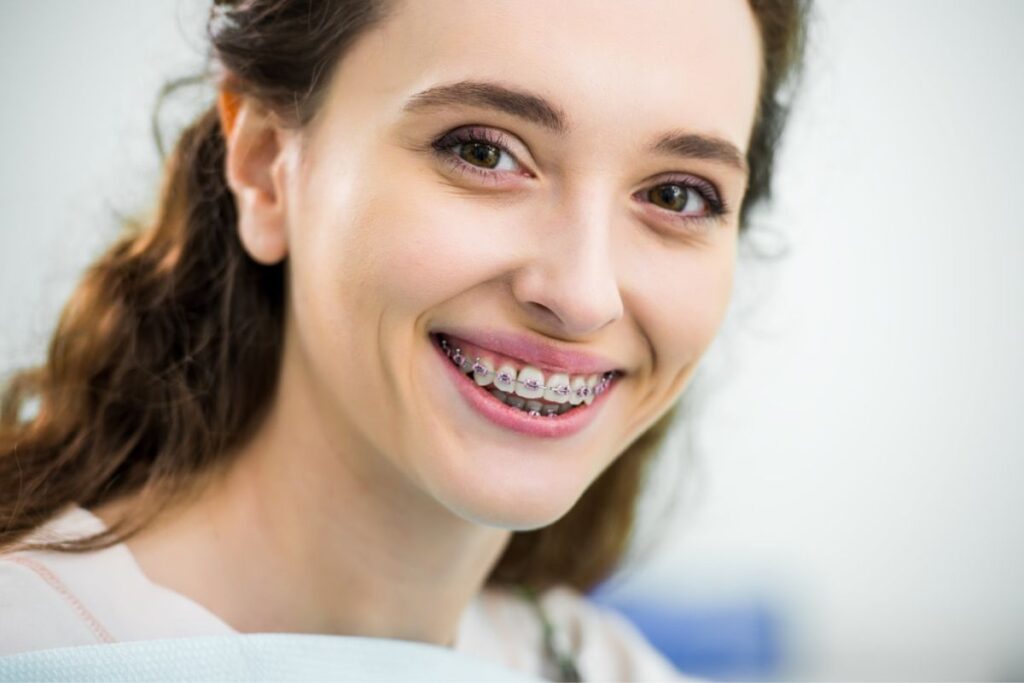
Hey there, smile seekers! Ever looked in the mirror and thought, “Hmm, maybe my smile could use a little tune-up?” You’re not alone! A straighter smile isn’t just about aesthetics; it’s about long-term oral health and even boosting your confidence. And when it comes to straightening options, clear braces have become a popular choice for their discreet appearance. But have you ever wondered if there’s a best age to dive into the world of clear aligners? Let’s explore this together and uncover why timing can be everything on your journey to a dazzling smile.
First off, let’s quickly touch upon what we’re talking about. Clear braces, often referred to as clear aligners, are a modern orthodontic treatment that uses a series of transparent, custom-made plastic trays to gradually shift your teeth into the desired position. Unlike traditional metal braces with their noticeable brackets and wires, clear aligners offer a more subtle approach, making them a preferred option for many, especially those concerned about the visibility of orthodontic treatment.
Now, let’s get to the heart of the matter: does age play a role in the effectiveness and overall experience of getting clear braces? Absolutely! While there isn’t a strict cut-off age, certain periods in life offer unique advantages for orthodontic treatment.
The Teenage Dream (Roughly 12-18 Years Old)
This is often considered an ideal time to begin orthodontic treatment, including with clear braces. Why? Well, for starters, most permanent teeth have erupted by this stage, allowing orthodontists to get a clear picture of any alignment issues. Furthermore, teenagers’ bones are still relatively malleable, making it easier and potentially faster to shift teeth into their correct positions. According to the American Association of Orthodontists (AAO), a significant portion of orthodontic patients are teenagers. While specific recent data on the exact percentage using clear aligners isn’t readily available, a 2021 survey by the AAO indicated that approximately 75% of orthodontic patients were under the age of 18, suggesting a high prevalence of treatment during these years.
Beyond the biological advantages, the teenage years often involve a heightened awareness of appearance and social interactions. Clear braces offer a less conspicuous alternative to traditional braces, which can be a significant factor for self-conscious teens. The discreet nature of clear aligners can help teenagers undergo orthodontic treatment without feeling overly self-aware about their braces.
The Adult Advantage (18+ Years Old)
Don’t think you’ve missed the boat if you’re past your teens! The popularity of clear braces has surged among adults in recent years. A study published in the Journal of Orthodontics and Dentofacial Orthopedics in 2023 noted a 30% increase in adult orthodontic patients over the past decade, with a considerable portion opting for clear aligner therapy. Adults often seek orthodontic treatment for various reasons, including addressing long-standing alignment issues, improving oral hygiene, or enhancing their professional image.
While adult bones are denser than those of teenagers, clear aligners can still be highly effective. Treatment duration might sometimes be slightly longer for adults, but the aesthetic benefits and the comfort offered by clear aligners make them an appealing choice. Many adults appreciate the ability to undergo orthodontic treatment discreetly without the visual impact of traditional metal braces in their professional and social lives.
Early Intervention (Around 6-10 Years Old)
While clear braces might not be the primary treatment option for this age group, early orthodontic evaluation is crucial. Orthodontists can identify potential issues early on and recommend interceptive treatments, sometimes involving appliances other than full braces, to guide jaw growth and tooth eruption. This early intervention can potentially simplify or shorten future orthodontic treatment.
Data from the AAO suggests that early orthodontic screening by age seven allows for the timely detection of developmental issues. While clear aligners are generally not used as the primary treatment at this stage due to ongoing dental development and compliance factors, understanding potential future needs early is beneficial.
So, What’s the “Best” Age?
The truth is, there isn’t a single “best” age that applies to everyone. The ideal time to get clear braces is highly individual and depends on factors like dental development, the specific orthodontic issues being addressed, and personal preferences.
- For teenagers: The completion of most permanent tooth eruption and the relative ease of tooth movement make this a favorable period. Clear braces offer a discreet option during socially sensitive years.
- For adults: Clear aligners provide an aesthetically pleasing and comfortable way to achieve a straighter smile without the visibility of traditional braces, catering to professional and social needs.
- For younger children: Early orthodontic evaluation is key to identifying potential problems, although clear braces are typically not the primary treatment at this stage.
Why Does Timing Matter?
Choosing the right time for clear braces can significantly impact
- Treatment Efficiency: Starting treatment when teeth and jaws are more receptive to movement (like in adolescence) can potentially lead to shorter treatment times and more predictable outcomes.
- Overall Cost: While the cost of clear braces can vary, addressing issues earlier might prevent more complex and potentially more expensive treatments down the line.
- Patient Compliance: Clear aligners require a high level of patient compliance (wearing them for the recommended 20-22 hours per day). Teenagers and adults who are motivated and understand the importance of compliance are more likely to have successful outcomes.
- Psychological and Social Well-being: For teenagers, the discreet nature of clear braces can reduce self-consciousness. For adults, it allows them to undergo treatment without a significant impact on their professional and social lives, potentially boosting confidence.
Conclusion
While the teenage years often present an optimal window for orthodontic treatment due to biological factors, clear braces have made it a viable and attractive option for adults as well. Early orthodontic evaluation in childhood can also play a crucial role in long-term oral health.
The “best” age to get clear braces is ultimately a personalized decision that should be made in consultation with a qualified orthodontist in Delray Beach. They can assess your individual needs, evaluate your dental development, and recommend the most effective and appropriate treatment plan for achieving your perfect smile. So, if you’re considering clear braces, schedule a consultation – your journey to a confident, healthy smile starts there!