
Orthodontic treatment has come a long way in recent years, with more options than ever before for achieving a straighter smile. Braces have been the go-to solution for teeth alignment for decades, but nowadays there are several different types of braces to choose from depending on your individual needs and preferences. In this blog post, we will explore the various types of braces available today – including traditional metal braces, ceramic braces, lingual braces and Invisalign® – so you can make an informed decision about which option is right for you!
Traditional Metal Braces
Traditional metal braces are still one of the most widely used and effective types of braces. They consist of metal brackets that are bonded to the teeth, with wires threaded through them that apply gentle pressure to move the teeth into proper alignment.
One significant advantage of traditional metal braces is their durability – they can withstand a lot of wear and tear without breaking or needing repairs. Additionally, because they’re made from high-quality materials like stainless steel, they tend to be more affordable than some other types of braces.
One thing worth noting is that traditional metal braces aren’t exactly subtle; since they’re so noticeable, many patients may feel self-conscious about wearing them. However, for those who don’t mind this factor or want something more cost-effective yet proven to work effectively for straightening teeth then traditional metal braces could be an ideal choice!
Ceramic Braces
Ceramic braces are a popular alternative to traditional metal braces. They work in the same way as metal braces but they are made from clear or tooth-colored materials, which makes them less noticeable. Ceramic braces can be a great option for anyone who wants to straighten their teeth without attracting too much attention.
One of the main advantages of ceramic braces is that they blend in with your natural teeth color, making them less noticeable than metal brackets and wires. This can be especially beneficial for adults who may feel self-conscious about wearing metal braces.
Another benefit of ceramic braces is that they are more comfortable than traditional metal ones. The brackets used with these types of braces tend to be smaller and smoother, which means there is less irritation to your gums and cheeks while you wear them.
While ceramic braces have many benefits, there are also some potential drawbacks to consider. They may not be as durable as traditional metal brackets since the material used is more brittle and prone to cracking or breaking under pressure.
In addition, ceramic brackets can become discolored if you don’t take proper care of them by avoiding certain foods and drinks such as coffee or tea that could stain them over time. It’s important to discuss all options with your orthodontist so together you can decide on the best type of treatment for your individual needs.
Lingual Braces
Lingual braces are one of the most discrete types of orthodontic treatment available. Unlike traditional metal braces and ceramic braces, lingual braces are placed on the inside surface of your teeth, making them virtually invisible from the outside.
These braces are custom-made to fit onto each tooth individually. The brackets and wires used in lingual braces work similarly to those in traditional metal or ceramic braces, but they are designed to be completely hidden from view.
While lingual braces offer a discreet option for straightening your teeth, they do require some getting used to. It may take some time for you to adjust to speaking with them initially as they can affect your speech until you become accustomed.
It’s important to note that not everyone is an ideal candidate for lingual braces. They tend to work best for people who have smaller teeth or mild-to-moderate orthodontic issues because there is less space available on the inside surface of the teeth.
If you’re looking for an almost-invisible way to get a straighter smile without sacrificing effectiveness, then lingual braces might just be what you need!
Invisalign®
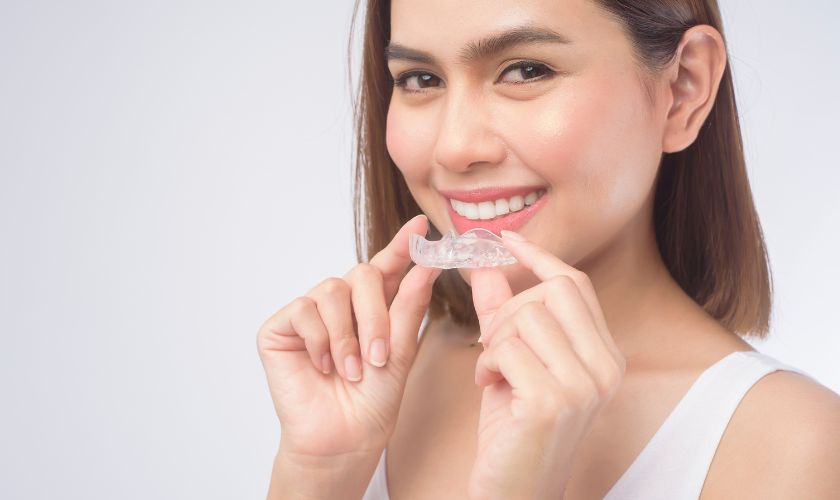
Invisalign® is a type of orthodontic treatment that uses clear, removable aligners to straighten teeth. Unlike traditional braces, Invisalign® does not use metal brackets or wires, making it a more discreet and comfortable option for many patients.
The process of getting Invisalign® starts with a consultation with an orthodontist who will assess your teeth and determine if you are a good candidate for the treatment. If you are, the orthodontist will create custom-made aligners using 3D imaging technology.
One of the benefits of Invisalign® is that the aligners can be easily removed for eating and cleaning. However, it’s important to wear them for at least 22 hours per day in order to achieve optimal results.
While Invisalign® may not be suitable for everyone – particularly those with severe bite issues – it can provide effective results for mild-to-moderate cases of misaligned teeth. It’s also worth noting that while Invisalign® may be more expensive than traditional braces, many insurance plans now cover this type of treatment.
Whether or not Invisalign® is right for you depends on your individual needs and preferences. By consulting with an experienced orthodontist and carefully considering all your options, you can make an informed decision about which type of braces is best suited to achieve your desired outcome.
Which Type Of Braces Is Best For You?
Choosing the right type of braces for your orthodontic treatment is a crucial decision that should be made with the help of an experienced orthodontist. The best type of braces for you will depend on various factors, including your specific dental needs, personal preferences, and lifestyle.
Traditional metal braces are often recommended for patients who have severe or complex alignment issues to correct. These types of braces are highly effective in correcting even the most complicated cases.
Ceramic braces are an excellent alternative to traditional metal braces because they blend in naturally with your teeth and provide a more discreet option while still offering similar results as metal brackets.
Lingual Braces are another great option if you’re looking for a more subtle approach. They work similarly to traditional metal brackets but are attached to the backside of your teeth instead, making them virtually invisible from the front.
Invisalign® clear aligners use custom-made removable trays that gradually shift your teeth into place over time. This treatment is suitable for those who want to avoid traditional brackets altogether and prefer something more convenient, comfortable, and nearly invisible.
Deciding which type of brace is best suited for you requires careful consideration by both yourself and your orthodontist. Schedule an appointment today with our dental professionals at XYZ Orthodontics where we can discuss all options available so you can make an informed decision about what will work best towards achieving beautiful straight teeth!
The Bottom Line
After exploring the different types of braces used in orthodontic treatment, it’s clear that there is no one-size-fits-all solution. Each type of brace has its own benefits and drawbacks, depending on your specific needs and preferences.
Traditional metal braces are a tried-and-true option that has been around for decades. They’re effective at correcting even severe misalignments, but they can be uncomfortable and visible.
Ceramic braces offer a more discreet option while still being effective at straightening teeth. However, they require more maintenance than metal braces to prevent staining.
Lingual braces take invisibility to the next level by placing the brackets on the backside of your teeth. This makes them almost invisible from the outside but can lead to difficulty with speaking or eating initially.
Invisalign® offers an entirely different approach to orthodontic treatment by using clear plastic aligners that are virtually invisible and removable. They’re comfortable and easy to maintain but may not be suitable for everyone’s needs.
Selecting which type of brace is best for you requires careful consideration based on your specific dental situation, personal preferences, lifestyle factors such as diet restrictions or social situations where visibility may matter more than others; budget constraints should also be taken into account when deciding between traditional metal vs ceramic vs lingual options versus innovative alternatives like Invisalign®!