
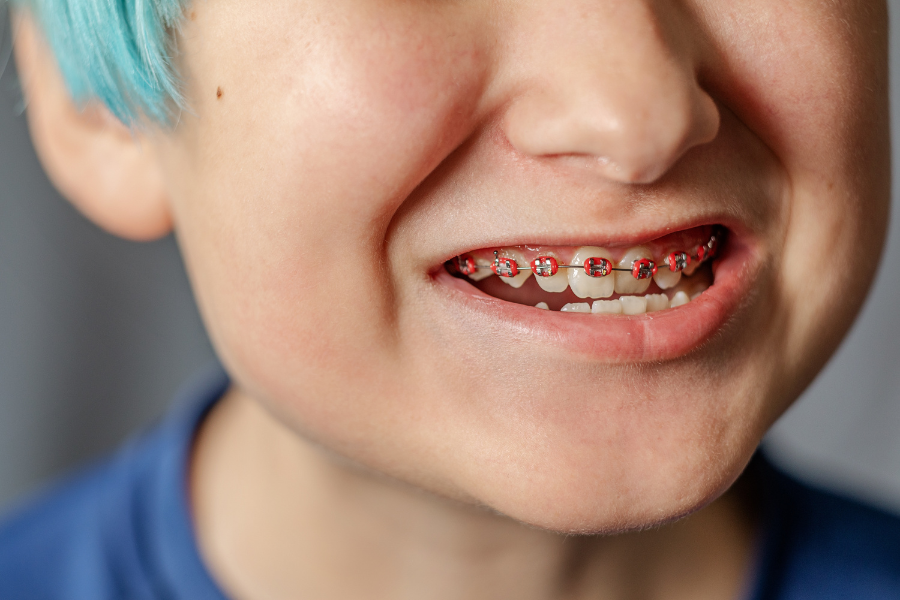
When most people think about braces, they picture metal wires and brackets. That image has been around for decades, and for good reason. Those braces work. But orthodontics has grown a lot over the years. If you are looking into Braces Delray Beach, there are several options that many patients never think to ask about. Knowing what is out there can help you make a better choice for your smile, your comfort, and your daily life.
This post covers the types of braces that often go unmentioned during a first consultation. Read through each one. You may find something that fits your life better than you expected.
Traditional Metal Braces: The Baseline to Know
What They Are and How They Work
Metal braces use stainless steel brackets bonded to each tooth and connected by a wire that gets adjusted over time. They are strong, affordable, and work well for complex alignment and bite issues across all age groups.
Who They Work Best For
They are also the most visible option. For adults or teens who care about how braces look, that matters. But metal braces remain the first choice when the bite issue is severe or when other options are simply not a good fit for the case.
Ceramic Braces: Same Function, Less Visible
How They Differ From Metal Braces
Ceramic braces work exactly like metal braces. The key difference is the material. The brackets are made from a clear or tooth-colored ceramic, which makes them far less noticeable from a distance.
What to Keep in Mind
They cost a bit more than standard metal braces and require slightly more care. The ceramic can stain from coffee, tea, or heavily pigmented foods over time. That said, for people who want the reliability of traditional braces with a more natural look, ceramic is a solid and practical choice.
Many patients searching for braces in Delray Beach are surprised to learn that ceramic options are widely available and covered, at least partially, by many dental insurance plans. Asking about them during your first consultation is always a smart move.
Lingual Braces: Hidden Behind Your Teeth
How This Option Stays Out of Sight
Most people have never heard of lingual braces. These attach to the back of your teeth, facing your tongue, rather than the front. From the outside, your smile looks completely natural throughout the entire treatment period. This makes them a popular choice for adults in client-facing or public-facing jobs and for anyone who prefers that treatment goes unnoticed in daily life.
The Trade-Offs Worth Knowing
Your tongue will feel the brackets at first, and speech can be slightly affected for the first few weeks. They also cost more than traditional options and require an orthodontist with specific training to place them correctly. Not every practice offers lingual braces, so it is worth asking about availability when you book a visit rather than assuming all offices provide them.
Self-Ligating Braces: Fewer Appointments, Less Friction
What Makes Them Different
Self-ligating braces look similar to traditional metal braces but work differently on the inside. Instead of elastic bands holding the wire in place, a small built-in clip does the job. This reduces friction on the wire and can mean a shorter treatment time for some patients.
Why Some Patients Prefer Them
They are easier to clean since there are no elastic ties for food to get caught in, and appointments tend to be less frequent because the mechanism puts consistent pressure on the teeth without needing as many manual adjustments. They come in both metal and ceramic versions, which gives patients a bit more flexibility when deciding on appearance during treatment.
Clear Aligners: Not Just One Brand
What Most People Get Wrong About Aligners
Clear aligners have become very well known. Many people recognize one big brand name, but what fewer realize is that clear aligners as a category include multiple systems, not just the most advertised one. These are removable plastic trays custom-made to shift your teeth gradually, with a new tray used every one to two weeks.
The Honest Pros and Cons
They are nearly invisible during wear and can be taken out when eating, drinking, or brushing, which makes keeping your teeth clean during treatment much simpler. However, they work best for mild to moderate alignment issues. Severe crowding, large gaps, or bite problems may need a stronger approach. Compliance also matters a great deal. Patients need to keep them in for 20 to 22 hours a day for the treatment to stay on track.
For people exploring Braces Delray Beach, clear aligners are often a top request, especially from working adults who want discreet treatment that fits naturally into their daily routine.
Functional Appliances: For Growing Jaws
What They Are and Why They Matter
This one surprises most parents. Functional appliances are not braces in the traditional sense, but they are a core part of orthodontic treatment for children and teens whose jaws are still growing. Rather than moving teeth, they guide jaw growth, which is a very different and often more foundational type of correction. Common examples include the Herbst appliance, which connects the upper and lower jaws to correct overbites, and the Twin Block, which uses two separate pieces to shift jaw position over time.
Why Starting Early Makes a Difference
Children have a growth window where jaw changes are easier and more stable. Missing that window can mean more complex correction is needed as an adult. If your child has been told they have an overbite, underbite, or crossbite, ask specifically whether a functional appliance might be part of the treatment plan before braces even begin.
Palate Expanders: More Than Just Widening
What a Palate Expander Actually Does
A palate expander is a device many people do not realize falls under orthodontic care. It fits against the roof of the mouth and gradually widens the upper jaw. This creates more room for teeth and can correct a narrow arch or crossbite that would otherwise make alignment much harder to achieve.
When It Might Be Recommended
Expanders are most useful in children and young teens, but adult versions exist as well. They are often used before braces to prepare the jaw so that tooth movement becomes easier and more stable. Without this step, some patients end up needing teeth removed to create space that an expander could have provided naturally. If crowding is a concern, it is a good question to raise early on.
Retainers That Do More Than Maintain
A Role Most People Do Not Expect
Most people associate retainers with the period after braces. What many do not realize is that some retainers can make minor corrections on their own. Hawley retainers can be adjusted to shift teeth slightly during a finishing phase, and in very mild cases, a retainer-style device may be tried before committing to full braces at all.
Is It Right for Your Situation
This is not always an option, but it is worth raising with your orthodontist if your alignment issue is minimal and you are looking for the least involved path to a straighter smile.
Why Location Matters When Choosing Braces in Delray Beach
A Community With Its Own Unique Needs
Delray Beach sits in Palm Beach County, a community with a mix of young families, active adults, and retirees. The area has warm weather year-round, which means people are outdoors, at the beach, and in social settings often. That lifestyle directly affects which type of braces makes the most sense day to day.
How Local Life Shapes the Right Choice
If you play water sports or spend time at the beach regularly, lingual braces or clear aligners may suit your life better than visible metal brackets. The active professional community in Delray Beach also means many adults are choosing orthodontic treatment later in life. Knowing that discreet and comfortable options exist makes that decision a lot easier to take.
Local orthodontic practices that serve braces in Delray Beach patients often see this exact mix of needs and lifestyles. A good practice will take the time to match the type of braces to your life, not just your teeth.
Conclusion
The Right Braces Depend on More Than Your Teeth
Choosing braces is about your whole life: your job, your habits, your budget, and your comfort. Most people walk into a consultation only knowing one or two options. Now you know there are several more, each with its own strengths and honest trade-offs.
Whether you are looking into Braces in Delray Beach for your child or for yourself, the best first step is a real conversation with a qualified orthodontist. Ask about all the options covered here. Ask what fits your case. Ask what your insurance covers. A good orthodontic team will walk you through every choice clearly and without pressure, because you deserve to understand what you are choosing and exactly why it makes sense for your situation.
Do not wait to get clarity on your options. Schedule a consultation today and find out which type of braces makes the most sense for your smile and your life.
Frequently Asked Questions
1. What types of braces are best for adults?
Clear aligners, ceramic braces, and lingual braces are all popular choices for adults because they are less visible than traditional metal braces. The best option depends on how complex your alignment issue is and what your orthodontist recommends after a full exam.
2. Are lingual braces available in Delray Beach?
Yes, lingual braces are available through select orthodontic practices in the area. Not every office offers them since they require special training to place correctly, so it is best to ask about availability when you book your first visit.
3. How do I know if clear aligners will work for my case?
Clear aligners work well for mild to moderate alignment issues. If you have severe crowding, large gaps, or significant bite problems, traditional braces may work better. Your orthodontist will review X-rays and models of your teeth to decide what fits your specific needs.
4. Do ceramic braces stain easily?
The ceramic brackets themselves are stain-resistant, but the elastic ties that hold the wire can pick up color from certain foods and drinks. Avoiding coffee, tea, and heavily pigmented foods helps keep them looking clean. Self-ligating ceramic braces avoid this issue entirely since they do not use elastic ties.
5. At what age should children see an orthodontist?
The American Association of Orthodontists recommends a first visit around age seven. At that point, most kids still have a mix of baby and adult teeth, which gives the orthodontist a clear look at how the jaw and bite are forming. Early visits do not always mean early treatment, but they allow problems to be spotted and planned for sooner.
6. Does insurance cover all types of braces?
Coverage varies by plan. Many dental insurance plans cover a portion of orthodontic treatment, but not all types equally. Metal braces are most commonly covered, while clear aligners and lingual braces may have limited or no coverage depending on your specific plan. Always confirm with your insurance provider before starting treatment.
7. How long does orthodontic treatment usually take?
Treatment time varies based on the type of braces and the complexity of the case. On average, most treatments take between 12 and 24 months. Simpler cases with clear aligners can be shorter, while more complex bite corrections, especially those involving jaw growth, may take longer.
8. Can I switch from one type of braces to another during treatment?
In some cases, yes. Patients sometimes move from one type to another if their needs change mid-treatment. Whether that is possible depends on how far along treatment is and what your orthodontist recommends. Choosing the right type from the start is always the better path, which is exactly why asking all your questions upfront during a consultation matters so much.