
Getting your braces off is an exciting moment. You’ve spent months or even years working toward that perfect smile. But here’s something many people don’t realize until that final appointment: your orthodontic journey isn’t quite finished yet. Retainers play a critical role in keeping your teeth exactly where they should be.
If you’ve recently searched for an “Orthodontic Near Me” or visited your local orthodontist, you’ve probably heard about retainers. Maybe you’re wearing one right now, or perhaps you’re trying to figure out which type is best for you. Either way, understanding your options helps you make smart choices about your oral health.
Let’s break down everything you need to know about retainers, from the different types available to how they benefit your smile for years to come.
Why Retainers Matter More Than You Think
Your teeth have memory. After braces come off, your teeth naturally want to shift back to their original positions. This happens because the bone and tissue around your teeth need time to stabilize in their new spots.
Think of it like this: if you’ve ever moved furniture around your living room, you might notice indentations in the carpet where the couch used to sit. Your teeth work similarly. The spaces they occupied for years leave an impression, and without something holding them in place, they’ll drift back.
Wearing a retainer prevents this backward slide. It gives your jaw bones and gums time to adjust and settle around your newly aligned teeth. Most orthodontists recommend wearing retainers full-time for the first few months after braces, then switching to nighttime wear for the long haul.
The Three Main Types of Retainers
When you visit an orthodontist, they’ll typically recommend one of three retainer types based on your specific needs. Each has its own set of benefits and considerations.
Hawley Retainers: The Classic Choice
Hawley retainers are the ones you might remember from your childhood. They feature a metal wire that goes across the front of your teeth, held in place by an acrylic piece that sits against the roof of your mouth (for upper teeth) or along your tongue side (for lower teeth).
These retainers have been around for decades because they work. The acrylic part can be customized with different colors and designs, which makes them popular with younger patients who want to add some personality to their retainer.
The wire is adjustable, so your orthodontist can make minor tweaks if needed. They’re also very durable and can last for years with proper care. You can remove them for eating and cleaning, which makes daily life easier. They’re more visible than some other options since the wire sits across your front teeth. Some people find them bulky at first, especially the acrylic part. You’ll need to remove them before eating or drinking anything other than water.
Clear Plastic Retainers: The Invisible Option
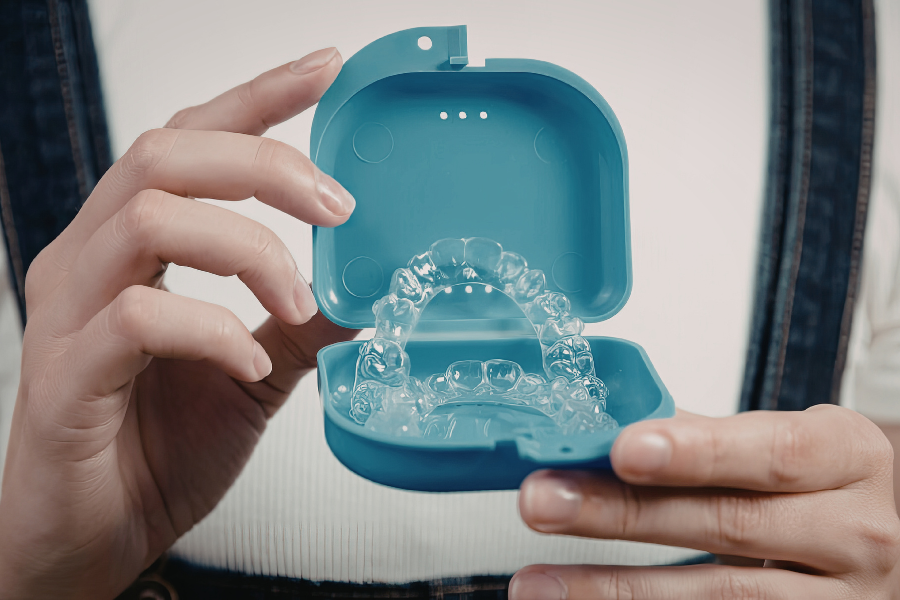
Clear plastic retainers, sometimes called Essix retainers, look similar to clear aligners. They’re made from a thin, transparent plastic that fits snugly over your entire arch of teeth. Many people prefer these because they’re almost invisible when worn.
If you’ve ever used clear aligners during treatment, these retainers will feel familiar. They’re custom-made from a mold of your teeth, creating a perfect fit that holds everything in place. The biggest advantage is how discreet they are. Most people won’t even notice you’re wearing them. They’re also comfortable and don’t affect your speech as much as other types might. You can take them out for meals and special occasions.
These retainers aren’t as durable as Hawley retainers. They can crack or wear down over time, especially if you grind your teeth at night. They also stain easily if you drink coffee, tea, or other colored beverages while wearing them. You’ll likely need replacements every few years.
Fixed Retainers: The Set-It-and-Forget-It Solution
Fixed retainers, also called bonded or permanent retainers, are thin wires bonded to the back of your teeth. They stay in place 24/7, which means you don’t have to remember to wear them. Your orthodontist typically places these on your lower front teeth, though they can go on upper teeth too. The wire is carefully attached with dental cement, similar to how braces brackets are bonded.
You can’t lose them or forget to wear them. They work continuously to keep your teeth stable. They’re completely hidden behind your teeth, so no one can see them. For people who struggled with wearing removable retainers consistently, this option removes the guesswork.
Cleaning around the wire takes extra effort. You’ll need to use floss threaders or special tools to get between your teeth properly. The wire can break if you’re not careful with hard or sticky foods. Regular dental checkups become even more important to make sure everything stays in good shape.
How to Choose the Right Retainer for Your Needs
Picking the right retainer depends on several factors. Your orthodontist will consider your specific case, including how much your teeth moved during treatment and whether certain teeth are more likely to shift. Your lifestyle matters too. If you play contact sports, a removable retainer might work better since you can take it out during games. If you know you’re forgetful, a fixed retainer could be the smarter choice.
Cost can also play a role. Clear plastic retainers usually cost less upfront but need replacing more often. Hawley retainers cost more initially but last longer. Fixed retainers require a one-time placement fee and occasional maintenance. Talk openly with your orthodontist about your concerns and habits. They can guide you toward the option that fits your life best.
Taking Care of Your Retainer
No matter which type you choose, proper care keeps your retainer working well and lasting longer.
For removable retainers, rinse them every time you take them out. Brush them gently with a soft toothbrush and mild soap. Avoid hot water, which can warp the plastic. Store them in their case when not wearing them. Never wrap them in a napkin (that’s how most retainers end up in the trash).
Fixed retainers need careful brushing and flossing around the wire. Your dentist or orthodontist can show you the best techniques. Pay attention to any loose spots or broken sections and get them fixed right away.
What Happens If You Skip Wearing Your Retainer
Skipping your retainer might seem harmless at first. Maybe you forget a few nights here and there. But over time, those missed nights add up. Your teeth start to shift, gaps reappear, or crowding returns.
Here’s the tough part: if your teeth move significantly, you might need orthodontic treatment all over again. That means more time, more money, and more appointments. Wearing your retainer as directed protects your investment in your smile.
Beyond the financial cost, there’s also the emotional impact. After working so hard to get straight teeth, watching them shift back can be frustrating and disappointing. If you notice any shifting, searching for “Orthodontic Near Me” and getting a quick evaluation can help you catch problems before they become serious.
Making Your Retainer Part of Your Routine
The key to successful retainer wear is making it part of your daily routine. Keep your retainer case in the same spot every day. Put it in right after brushing your teeth at night. Set a reminder on your phone if you need to.
Many people find it helpful to track their wear in the first few months. Once it becomes a habit, you won’t have to think about it anymore. It’ll be as automatic as brushing your teeth.
If you’re struggling with discomfort or fit issues, don’t just stop wearing your retainer. Talk to your orthodontist. They can make adjustments or recommend a different type that works better for you.
Conclusion: Protecting Your Perfect Smile
Your retainer is the final piece of your orthodontic journey. It’s what stands between you and the smile you worked so hard to achieve. Whether you choose a Hawley retainer, clear plastic retainer, or fixed retainer, the most important thing is wearing it as directed.
Remember that teeth can shift at any age. Regular retainer wear isn’t just for the first year after braces. It’s a long-term commitment to your oral health. The few seconds it takes to put in your retainer each night is worth it to keep your smile looking great.
If you have questions about retainers, need a replacement, or want to explore your options, don’t wait. Whether you’re typing “Orthodontic Near Me” into your search bar or asking friends for recommendations, finding a trusted provider is important. Schedule a consultation with an orthodontist in your area to discuss the best retainer solution for your needs. Your future self will thank you for taking care of your teeth now.
Frequently Asked Questions
1. How long do I need to wear my retainer after braces?
Most orthodontists recommend wearing your retainer full-time for 3-6 months after getting your braces off. After that, you’ll typically switch to nighttime wear. Long-term, many people need to wear retainers a few nights per week for life to prevent shifting.
2. Can I eat with my retainer in?
You should remove removable retainers before eating or drinking anything except water. Food can damage the retainer and get trapped underneath, leading to bacteria buildup. Fixed retainers stay in while you eat, but you’ll need to be careful with hard or sticky foods.
3. How do I clean my retainer properly?
For removable retainers, brush them gently with a soft toothbrush and mild soap or denture cleaner. Rinse with cool water. Avoid hot water, toothpaste, and harsh chemicals. For fixed retainers, use a floss threader or water flosser to clean around the wire daily.
4. What should I do if my retainer feels tight?
A tight retainer usually means your teeth have shifted slightly. Put it in and wear it as much as possible to guide your teeth back. If it’s painful or won’t fit at all, contact your orthodontist right away. Don’t force it or you might damage your teeth or the retainer.
5. How much does a replacement retainer cost?
Replacement costs vary by type and location. Clear plastic retainers typically cost $100-300 per arch. Hawley retainers run $150-400. Fixed retainer repairs might cost $150-500. Many orthodontic offices offer discounts if you’re still within your retention period.
6. Will my retainer affect my speech?
You might notice a slight lisp or different feeling when you first start wearing a removable retainer. This usually goes away within a few days as your mouth adjusts. Fixed retainers rarely affect speech. If problems persist beyond a week, talk to your orthodontist.
7. Can I switch retainer types if I don’t like mine?
Yes, you can usually switch retainer types. Talk to your orthodontist about your concerns with your current retainer. They can help you find an option that works better for your lifestyle and comfort level.
8. How often should I replace my retainer?
Clear plastic retainers typically need replacement every 1-3 years depending on wear and care. Hawley retainers can last 5-10 years with proper maintenance. Fixed retainers can last many years but should be checked at every dental appointment for damage or loosening.