
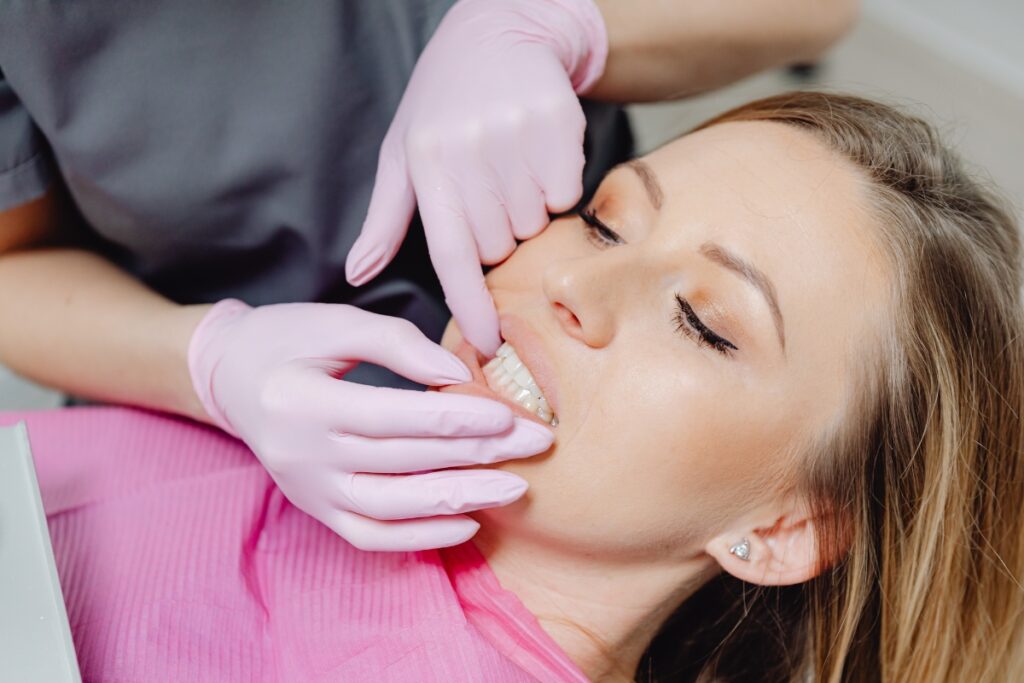
Orthodontic emergencies can happen without warning, even when treatment has been going smoothly. A loose wire, broken bracket, or sudden discomfort can cause stress and confusion. In a coastal community like Delray Beach, where outdoor activities and busy schedules are common, knowing how to respond quickly during emergencies matters. An orthodontist can help manage these situations safely when you know what signs require attention.
When A Broken Bracket Or Wire Becomes An Emergency?
Not every orthodontic issue requires immediate attention, but some problems should not be ignored. A wire poking into your cheek, a bracket causing sharp pain, or swelling around the gums may need prompt care. If discomfort worsens or interferes with eating or speaking, contacting a dentist or specialist is essential.
During active routines, minor problems can escalate quickly. An orthodontist can determine whether the issue affects tooth movement or can wait until a scheduled visit.
Why Coastal Weather Can Affect Your Braces?
Life in Florida’s Village by the Sea brings sunshine, humidity, and an active lifestyle. Beach outings, water sports, and outdoor dining are regulars. Hard foods, seafood shells, and athletic activities can increase the risk of appliance damage.
Nearby areas like Boca Raton and Highland Beach share similar habits and weather patterns. These local routines make it important to stay alert to discomfort during orthodontic treatment in Delray Beach so that you can manage it with home or professional care.
Situations That Can Usually Wait A Short Time
Some orthodontic emergencies feel alarming but are manageable temporarily. These situations often involve discomfort rather than risk to treatment progress.
You may be able to wait briefly if:
- A wire feels irritating, but has not shifted as expected.
- A bracket feels loose but remains attached.
- Aligners feel tight after switching trays.
For patients undergoing orthodontic treatment, protecting the area and avoiding hard foods can prevent further irritation. In Delray Beach, where schedules fill quickly with school, sports, and social plans, this knowledge helps reduce stress.
What Can You Do At Home First?
Some issues can be managed temporarily to stay comfortable until you’re seen. If a wire starts rubbing your cheek or gums, orthodontic wax can help reduce irritation. A bracket that feels loose but isn’t causing pain may stay in place for a short time. Rinsing with warm salt water can also soothe sore areas and reduce irritation.
However, home care has clear limits. During orthodontic treatment in Delray Beach, many patients reach a point where discomfort affects eating, speaking, or daily routines. When pain increases, swelling appears, or pressure does not ease, it’s time to seek professional guidance rather than wait it out.
Active seasons also matter. Sports, outdoor activities, and accidental impacts are common in coastal areas. Any mouth injury during care should be evaluated to avoid long-term damage or delays in treatment.
What You Should Never Try At Home?
Do not cut wires, remove brackets, or attempt to adjust appliances yourself. These actions can cause injury, increase pain, and delay treatment progress. Avoid using scissors, nail clippers, glue, or sharp objects inside the mouth. Do not ignore swelling, bleeding, or worsening pain. If discomfort affects eating, speaking, or sleep, home care is no longer appropriate, and professional attention is needed immediately.
Signs It’s Time To Call An Orthodontist Right Away
Specific emergencies require prompt attention. Ignoring them can delay progress or increase pain.
Call for help if you notice:
- Persistent pain that does not ease.
- Swelling around the gums or cheeks.
- A wire cutting into soft tissue.
- An appliance is breaking completely.
Humidity, heat, and active lifestyles are common in coastal areas, which can make these issues escalate faster. Early guidance prevents minor problems from becoming major setbacks.
Why Waiting ‘Now’ Can Make Orthodontic Problems Worse?
Orthodontic concerns rarely stay the same when left alone. A loose wire can start cutting into the cheek. A small crack can worsen with normal chewing. Swelling may build pressure, making pain harder to manage.
What feels like a minor irritation today can turn into an infection or delayed treatment progress.
Reaching out early often prevents these problems from escalating. Timely guidance helps protect your treatment’s results and reduces disruption to daily life. Getting help sooner usually means simpler care, faster relief, and fewer setbacks overall.
Feeling Unsure Is Normal – Getting Support Makes It Easier
Sometimes, all it takes is a calm conversation to feel reassured. Scheduling a consultation gives you the chance to talk through what you are noticing, ask questions, and understand what your treatment needs right now.
An orthodontist can help you sort out what is normal, what needs attention, and how to move forward comfortably, without guessing or unnecessary worry.
On days when something feels suddenly wrong, help should feel easy to reach. Getting in touch with a local dental clinic ensures you are not left dealing with discomfort or uncertainty on your own. Orthodontic emergencies are manageable, and timely support can protect your progress and bring peace of mind when plans change unexpectedly.
Frequently Asked Questions: Orthodontic Emergency
1. What qualifies as an orthodontic emergency?
An orthodontic emergency involves pain, swelling, or appliance damage that affects normal function. Minor soreness is common, but symptoms that disrupt eating, speaking, or sleep need professional attention.
2. Can a poking wire be fixed at home?
Orthodontic wax may reduce irritation temporarily, but it does not resolve the underlying issue. If tissue soreness continues or worsens, professional adjustment is necessary to prevent injury.
3. How long should orthodontic pain last after an adjustment?
Mild discomfort typically improves within a few days as teeth adapt to pressure. Pain that increases or lingers may signal appliance problems or tissue irritation needing evaluation.
4. What happens if a bracket comes off and is left untreated?
A loose bracket can interrupt planned tooth movement and slow progress. Over time, untreated appliance damage may lead to uneven alignment or extended treatment time.
5. Is swelling normal during orthodontic treatment?
Mild irritation can occur, but visible swelling is not expected. Swelling may indicate tissue injury or infection and should be assessed promptly.