
Orthodontic treatment is a complex process that involves careful planning and precise execution to ensure optimal results. Every patient presents a unique set of challenges, from the alignment of teeth to the positioning of the jaw. A reliable orthodontist uses a variety of methods and tools to plan and execute the perfect tooth movement, aiming for both functional and aesthetic improvement. Curious to learn the steps that orthodontic specialists follow to achieve precise tooth movement, helping you understand the science behind it all.
Understanding Tooth Movement
The primary goal of orthodontic treatment is to shift teeth into the desired position to improve both the function and appearance of a patient’s smile. Whether it’s addressing crowded teeth, gaps, or an improper bite, orthodontic specialists meticulously plan the movement of each tooth.
To begin, an orthodontic care provider assesses the patient’s dental structure, taking into account the current position of the teeth. Moreover, they also check the patient’s bite and the overall health of the gums and jawbone. This evaluation often involves a comprehensive set of diagnostic tools, such as X-rays, 3D scans, and dental impressions, to ensure that all aspects of the patient’s dental health are taken into account.
Diagnostic Tools and Technology
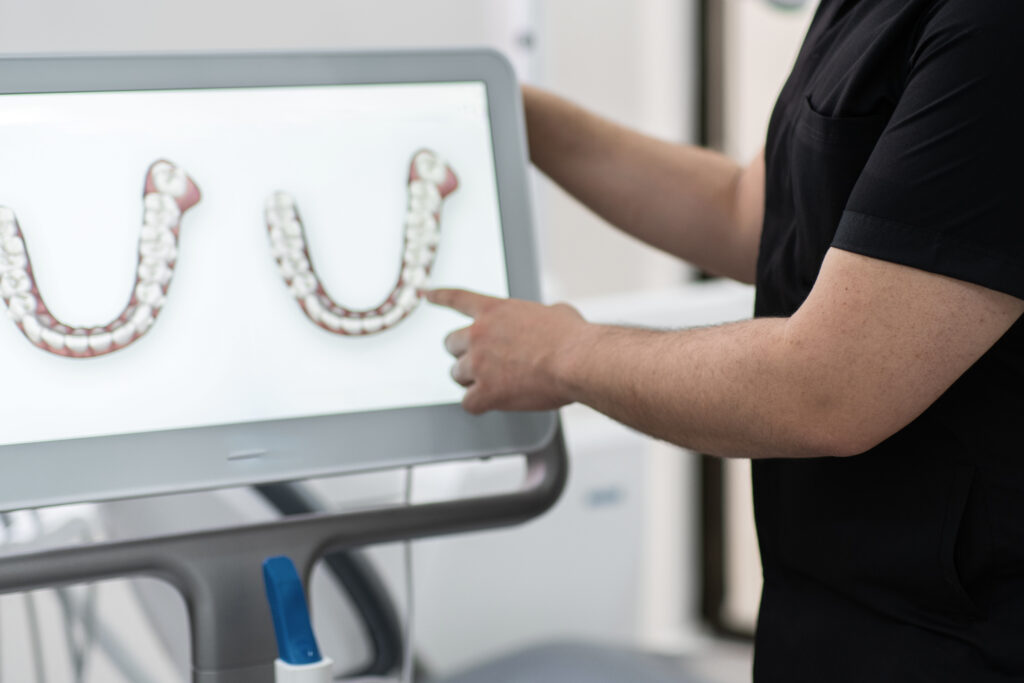
A trusted orthodontist Delray Beach uses the latest tools to map out the exact movements needed for each tooth. In recent years, advancements in technology have allowed for more accurate assessments and personalized treatment plans. For example, digital scans and 3D imaging provide a clearer view of the teeth, gums, and jaw, enabling specialists to create precise digital models.
These models help predict how the teeth will respond to treatment. By simulating tooth movement digitally, the professional can determine how much force to apply and when to apply it. They can also identify which areas of the mouth require the most attention.
The Role of Braces and Invisalign in Tooth Movement
Orthodontic appliances are the most common tools used to correct tooth alignment. Each option has its specific strengths, depending on the patient’s needs. Traditional teeth aligners consist of brackets, wires, and bands that work together to apply pressure on the teeth and shift them gradually. Invisalign, on the other hand, offers a more aesthetic alternative. These clear plastic trays, typically used in treatments like Invisalign, gently move teeth into place.
A trustworthy orthodontist decides the ideal treatment depending on the severity of the case. For example, severe misalignment might require traditional braces, while less complex cases may be treated effectively with clear aligners. Both approaches rely on consistent pressure to move the teeth into the desired position.
Customized Treatment Plans for Every Patient
Orthodontic specialists approach every case differently. Since no two patients are alike, the treatment plan is highly personalized. They take factors like the patient’s age, dental history, lifestyle, and specific concerns into consideration. For instance, an orthodontist in Delray Beach may need to adjust their plan depending on local factors, such as dietary habits or the availability of certain orthodontic products.
Customized treatment plans ensure that the movements are both effective and efficient. Every adjustment is tracked, allowing the dental practitioner to fine-tune the plan throughout the treatment period. This approach maximizes comfort while achieving the desired outcome.
The Force Behind Tooth Movement
The process of moving teeth involves applying a gentle and continuous force to the teeth. Braces, aligners, and other orthodontic devices work by exerting consistent pressure on the teeth and surrounding bone. This pressure stimulates bone remodeling, where the bone around the tooth breaks down and reforms in response to the force.
Professionals carefully monitor this process to ensure that the force applied is appropriate for each stage of treatment. Too much force can damage the teeth or cause unnecessary discomfort, while too little force can slow down the progress of the treatment.
The Importance of Regular Checkups
Throughout treatment, regular checkups are essential to monitor progress and make necessary adjustments. During these visits, the orthodontist evaluates the tooth movement, checks the fit of braces or aligners, and ensures the teeth are moving in the right direction. This ongoing supervision ensures that the treatment remains on track and any potential issues can be addressed promptly.
For patients, access to a local orthodontic professional ensures they receive consistent care tailored to their specific needs. Local specialists can adapt their approach based on the patient’s feedback and progress, making the entire process more effective.
The Final Stages of Treatment
The final stages of orthodontic treatment involve ensuring that the teeth are securely in their new positions and that the bite is correct. This typically involves the use of retainers, which maintain the position of the teeth after the braces or aligners are removed. The goal is to create a stable, long-lasting result that the patient can maintain for years to come.
Patients are also advised on how to care for their teeth post-treatment, including tips on maintaining oral hygiene and avoiding foods that could disrupt the alignment. This ensures that the results of the treatment last and that the teeth remain in optimal condition.
Begin Your Orthodontic Treatment Today for Lasting Results
Orthodontic specialists follow a detailed and well-planned approach to ensure that every tooth moves into the correct position. From initial diagnostics to the final stages of treatment, each step is carefully executed to provide patients with a functional and aesthetically pleasing smile. By using the latest technology and applying targeted force to the teeth, orthodontists help patients achieve long-lasting results. If you’re considering orthodontic treatment, whether it’s for you or a loved one, schedule a consultation with a trusted orthodontist today.
Unsure where to begin, contact the nearest dental clinic to discuss your concerns. A reliable orthodontic specialist can provide you with personalized advice and answer all of your questions, ensuring that you get a well-aligned smile that you have dreamt of.
FAQs: Plan Precise Tooth Movement
1. How long does orthodontic treatment typically last?
Orthodontic treatment generally lasts between 18 and 36 months, depending on the complexity of the case. Regular checkups and adjustments will help speed up the process.
2. Are clear aligners as effective as braces?
For mild to moderate misalignment, clear aligners can be just as effective as braces. However, for severe cases, traditional braces may be necessary.
3. Can adults get orthodontic treatment?
Yes, adults can benefit from orthodontic treatment. In fact, many adults are choosing to undergo braces or clear aligner treatment to improve their smile.
4. What should I expect after getting braces?
After getting braces, you may experience some discomfort as your teeth adjust to the pressure. Regular checkups will ensure that the braces are working correctly and comfortably.
5. How should I take care of my braces or aligners?
Maintaining good oral hygiene is crucial. Brush and floss regularly, avoid sticky or hard foods, and follow the orthodontist’s care instructions to ensure optimal results.
6. Can I get orthodontic treatment if I have dental work already?
Yes, orthodontists can work with patients who have crowns, bridges, or implants. However, it’s important to consult with an orthodontist to ensure the treatment plan is adjusted accordingly.